In the United States, AOD-9604 has not been approved by the U.S
Administration in combination with tetracyclines, because of the interaction of iron with tetracyclines
Rare but serious redflag reactions Regulators and medicalreview sites flag severe but uncommon possibilities tied to: Injectionrelated complications: local infection, allergic reaction, or abscess if the vial or needle is contaminated
Does Category 1 status mean BPC-157 is FDA approved
PMC10056213 Subcutaneous injection osmolality, pH, and volume effects on pain and absorption
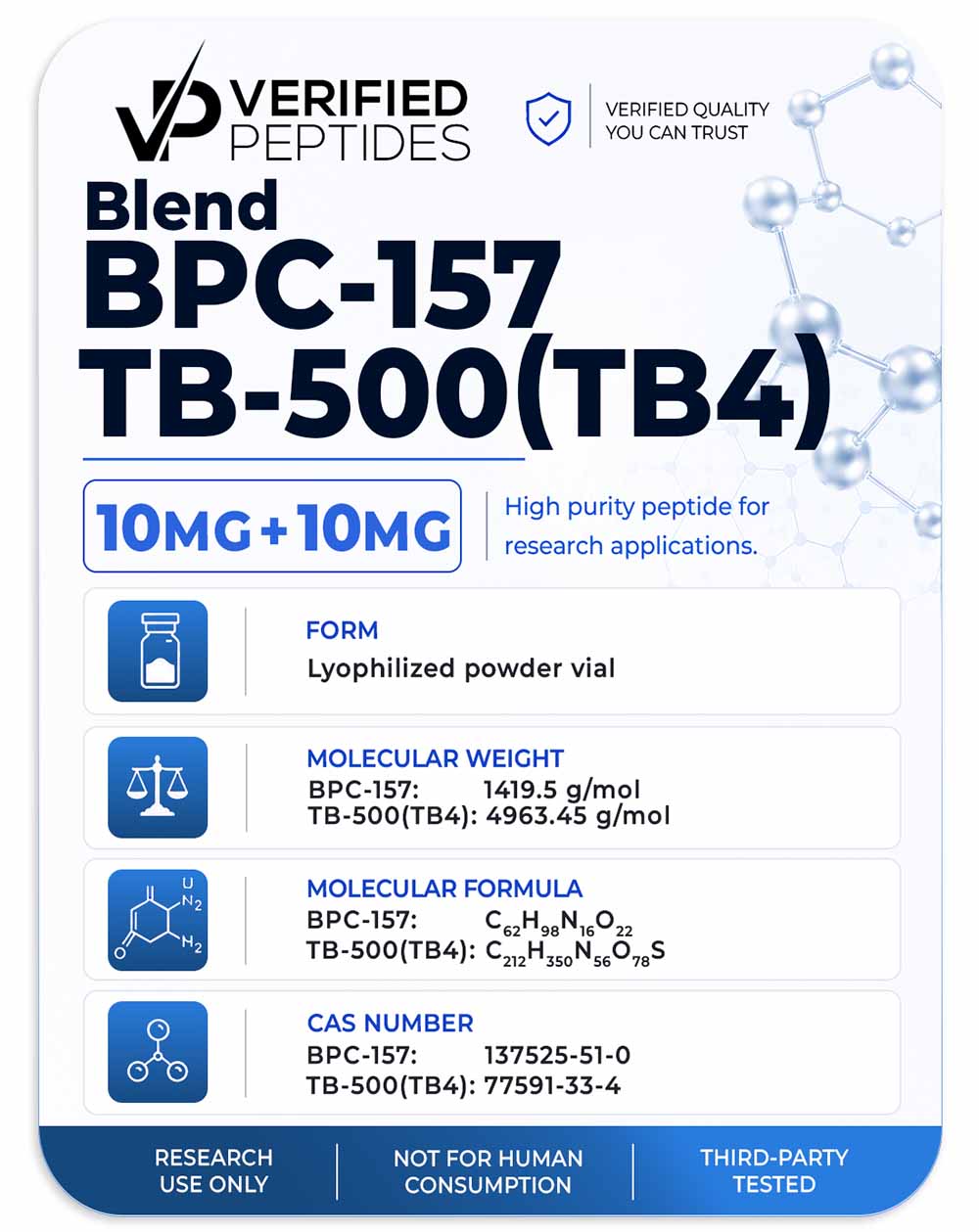
References PubMed Preclinical safety evaluation of body protective compound-157, a potential drug for treating various wounds Current Pharmaceutical Design (PubMed) Stable gastric pentadecapeptide BPC-157: novel therapy in gastrointestinal tract PMC Utilizing developmentally essential secreted peptides such as Thymosin Beta-4 for regenerative therapies Annals of the New York Academy of Sciences (PubMed) Thymosin beta 4 and wound healing: new ideas PMC Emerging use of BPC-157 in orthopaedic sports medicine: a systematic review Johns Hopkins Arthritis Center How to give a subcutaneous injection PMC Subcutaneous drug delivery review: pharmacologic considerations ASIPP / Alternative Therapies in Health and Medicine Intra-articular injection of BPC-157 for multiple types of knee pain A4M Thymosin Beta-4 professional monograph PubMed Detection of thymosin beta-4 and related peptides in sport drug testing Journal of Physiology and Pharmacology (PubMed) BPC-157 activity at very low doses without toxicity in animal studies Expert Opinion on Biological Therapy (PubMed) Thymosin beta-4 and its role in wound healing CDC Vaccine administration: subcutaneous route (angle/site