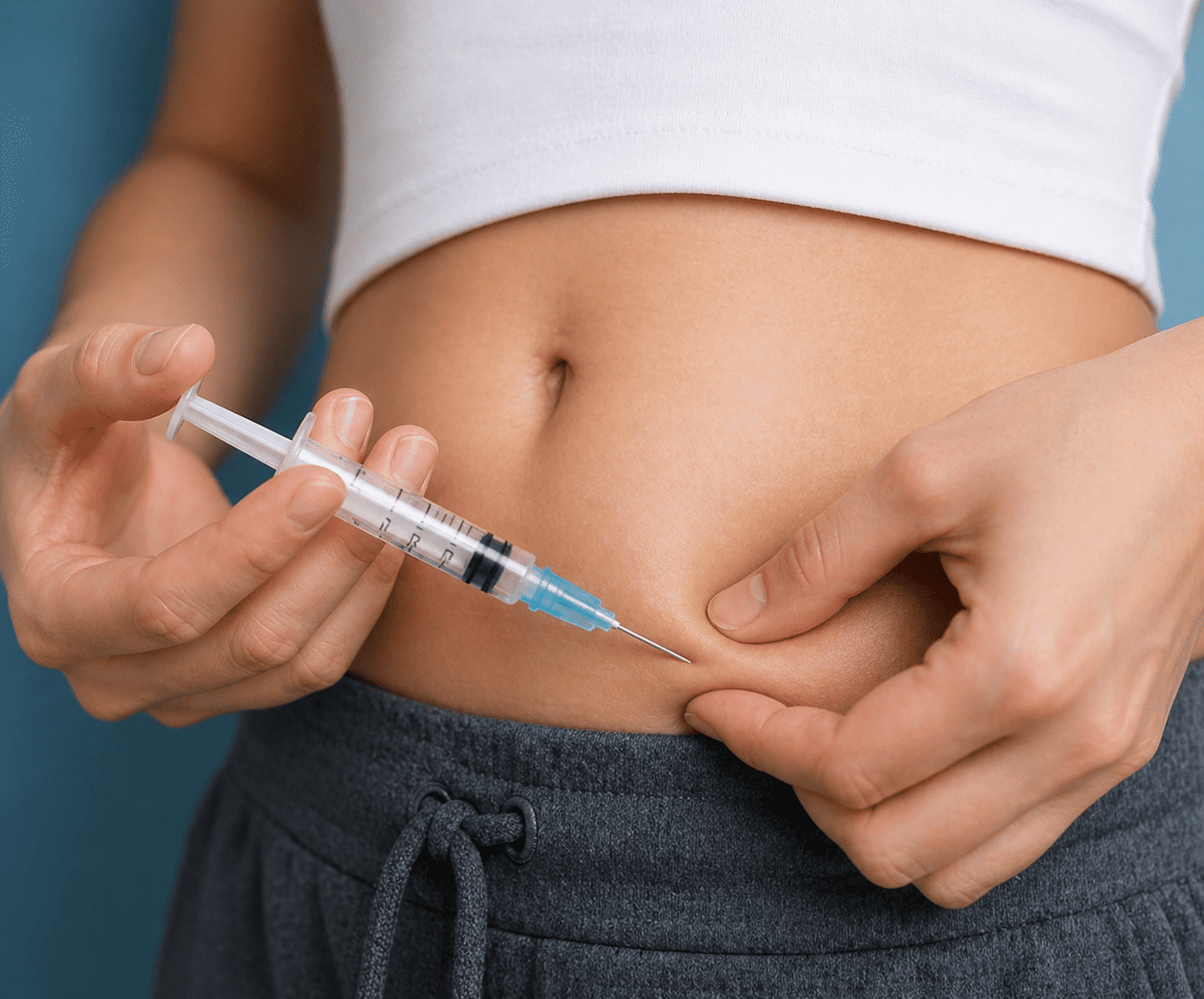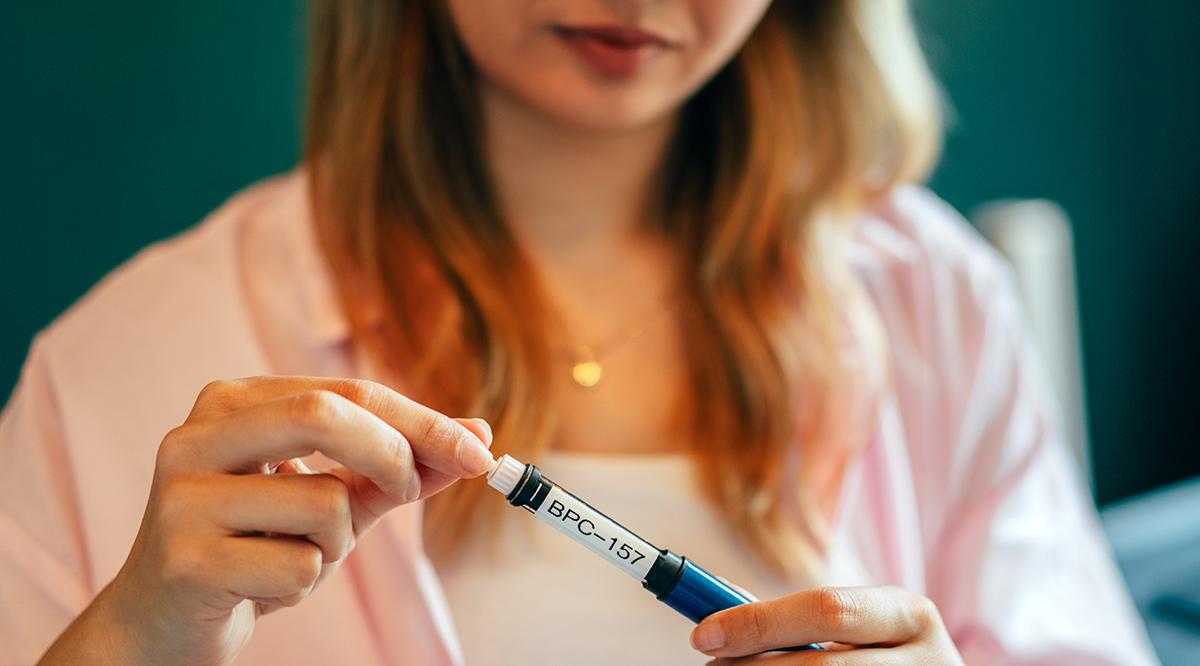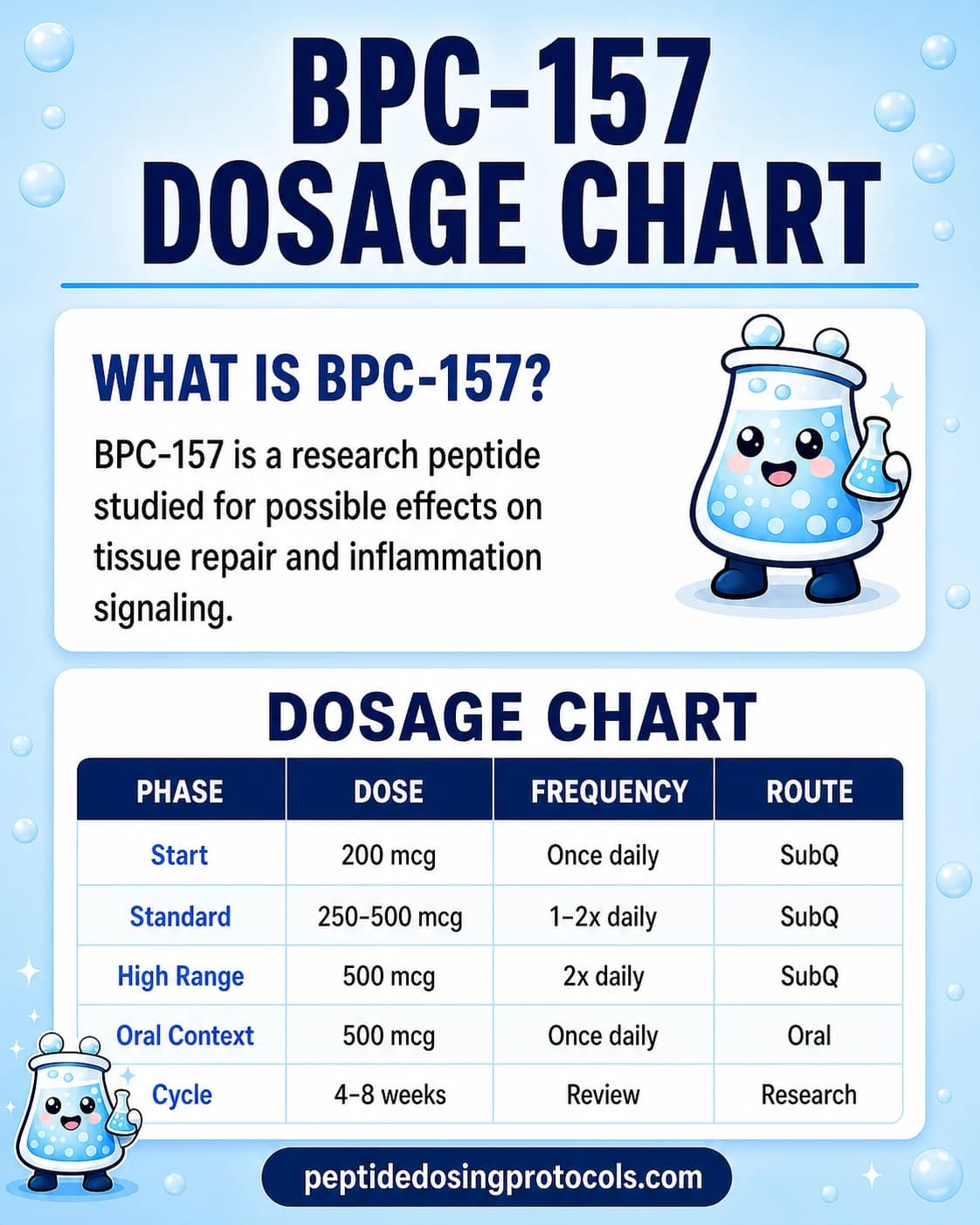
Its foundational mechanismscentered on VEGFR2 activation and systemic cytoprotectionprovide a compelling scientific basis for its observed benefits in both gastrointestinal healing and central nervous system stabilization
It is a growth hormone secretagogue that works by binding to the ghrelin receptor (GHS-R) in the pituitary gland and hypothalamus ,the same receptor targeted by the hunger hormone ghrelin
Q: Is there any clinical scenario in which BPC-157 use is defensible
Tolerability and Safety Questions Both candidates are likely to be judged partly on gastrointestinal tolerability: nausea, vomiting, diarrhea, constipation, dose escalation, and discontinuation due to adverse events

GHK-Cu (copper peptides) GHK-Cu special considerations: Contains copper = oxidation concern More sensitive than most peptides Color changes indicate degradation Shelf life: Lyophilized frozen: 1-2 years (shorter than most) Lyophilized refrigerated: 6-12 months Reconstituted: 21-28 days (some say 21 days safer) Color monitoring: Fresh GHK-Cu: Light blue or clear with blue tint Acceptable: Maintained blue color Degrading: Deepening blue or turning brown/green Bad: Brown, green, or black = severely degraded Storage best practices: Freeze powder (very important for GHK-Cu) Protect from light religiously (amber vials ideal) Reconstitute smaller amounts (2-3 weeks vs 4 weeks) Monitor color weekly Discard if color darkens significantly See our GHK-Cu 50mg copper peptide dosage , copper peptides GHK-Cu guide , and should copper peptides be refrigerated
The vast majority of research is being generated from one or two individual institutions in Europe